Health and Safety Policy for Cleaners Tockwell
 This Health and Safety Policy sets out the standards expected from all cleaning staff, supervisors, and managers involved in Cleaners Tockwell. It is designed to support safe working practices, reduce risks, and promote a consistent approach to protecting workers, clients, visitors, and the public. Every cleaner has a duty to work carefully, follow agreed procedures, and report anything that may affect safety. This policy applies to routine cleaning, deep cleaning, specialist tasks, and any work carried out in occupied or vacant properties.
The company recognises that cleaning work can involve slippery floors, manual handling, sharp objects, electrical equipment, chemicals, and work in areas where hazards are not always immediately visible. For this reason, the cleaning health and safety policy places prevention at the centre of all operations. Risk assessments must be completed before work starts, and controls must be reviewed whenever conditions change. The aim is to make sure that every cleaner in Tockwell can do their job with confidence, using safe methods and suitable protective equipment.
All employees are required to cooperate with safety rules, follow training, and use supplied equipment properly. Managers are responsible for making sure that cleaners receive the information and supervision needed to perform tasks safely. In addition, all workers must take reasonable care of their own health and safety and that of others who may be affected by their actions. Unsafe behaviour, damaged equipment, or unsuitable work arrangements must be reported immediately so that corrective action can be taken.
 Training is a key part of the cleaning company safety policy. Every new starter must receive induction training covering safe work methods, emergency procedures, manual handling, chemical awareness, and the correct use of personal protective equipment. Refresher training should be given whenever new products, equipment, or procedures are introduced. Supervisors must check that instructions are understood and followed in practice, not just in theory. Training records should be kept to show that the organisation has taken reasonable steps to maintain competence.
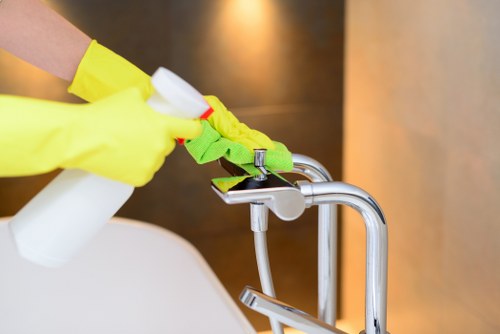
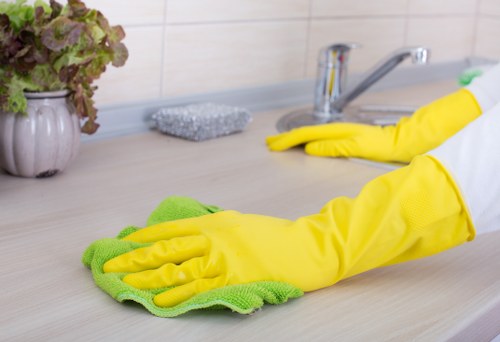
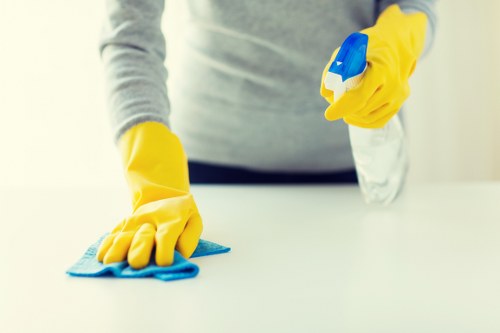
Personal protective equipment, or PPE, must be selected according to the task being carried out. This may include gloves, non-slip footwear, aprons, face protection, or hi-visibility items where needed. PPE must be clean, in good condition, and replaced when worn or damaged. Staff should never improvise with unsafe substitutes. The policy also requires that cleaners understand when PPE is necessary and when additional precautions are needed, such as ventilation, barriers, or restricted access to wet areas.
Chemical safety is especially important in any cleaning health and safety policy. All cleaning substances must be stored securely, clearly labelled, and used according to manufacturer instructions and internal procedures. Products should never be mixed unless this has been specifically approved. Where possible, less hazardous alternatives should be chosen. Staff must know how to handle spills, what to do in case of accidental contact, and how to dispose of empty containers safely. Safety data should be available for all relevant products, and cleaners should be trained to understand the meaning of hazard symbols and precautions.
 Manual handling is another major concern for cleaners. Tasks such as lifting bins, moving equipment, carrying supplies, and shifting furniture can lead to injury if not done correctly. The policy requires staff to assess loads before lifting, use mechanical aids where available, and seek help for heavy or awkward items. Work should be organised to avoid repeated strain, and breaks should be taken when needed. A safe cleaning policy should encourage planning rather than rushing, because haste often increases the chance of accidents.
Equipment safety must also be maintained at all times. Vacuum cleaners, scrubbers, extension leads, and other electrical items should be inspected regularly, used only for their intended purpose, and removed from service if defective. Cables must be managed to prevent trips, and wet-cleaning equipment should be kept away from electrical hazards. Before using any machine, staff should check that guards, switches, and fittings are working properly. Faults must be reported immediately, and no employee should attempt repairs unless authorised and competent to do so.
The company expects a strong focus on housekeeping and accident prevention. Walkways should remain clear, cleaning materials should not be left where they can cause trips, and wet floors should be signposted or isolated until safe. Broken glass, needles, or other sharp objects must be handled carefully using appropriate tools and disposal methods. Any incident, near miss, or hazard observation should be recorded and reviewed so that lessons can be learned. This approach supports a reliable health and safety policy for cleaners and helps prevent repeat incidents.
 Emergency procedures must be understood by everyone working under this policy. Staff should know how to respond to fire alarms, medical incidents, chemical exposure, spills, or security concerns. In an emergency, personal safety comes first, followed by helping others only where it is safe to do so. Cleaners should be familiar with evacuation routes and assembly arrangements where relevant. If a serious incident occurs, work must stop until the area is safe and the situation has been properly assessed.
Responsibilities and Monitoring
The cleaning health policy depends on clear responsibilities at every level. Management must provide suitable equipment, maintain safe systems of work, and ensure that risks are identified and controlled. Supervisors must monitor standards during daily operations, correct unsafe practices, and make sure staff understand site-specific requirements. Cleaners must follow instructions, wear required PPE, report defects, and avoid actions that could place themselves or others at risk. Where additional support or adjustment is needed, this should be discussed promptly so that the work can continue safely.
Regular monitoring helps ensure that the policy remains effective. Workplace inspections, safety checks, and incident reviews should be carried out to identify opportunities for improvement. Findings should be acted upon quickly, with priority given to serious or repeated issues. A cleaning safety policy is only effective if it is actively used, reviewed, and improved over time. Compliance should not rely on memory alone; it should be supported by supervision, clear procedures, and accessible information.
Conclusion
 This policy reflects the organisation’s commitment to protecting health, preventing injury, and maintaining a professional standard across all cleaning activities. By following safe procedures, using equipment correctly, and reporting concerns early, every member of staff contributes to a safer workplace. The Health and Safety Policy for Cleaners Tockwell should be reviewed regularly to ensure it remains practical, relevant, and effective in supporting safe cleaning operations.
Ultimately, good safety practice is part of good service. When cleaners work carefully, communicate clearly, and respect the controls in place, they help create environments that are safer for everyone. This shared responsibility is central to the success of any modern cleaners’ health and safety policy.